When the People Running Your Forum Hit a Wall: Tackling Moderator Burnout Before It Breaks Your Community
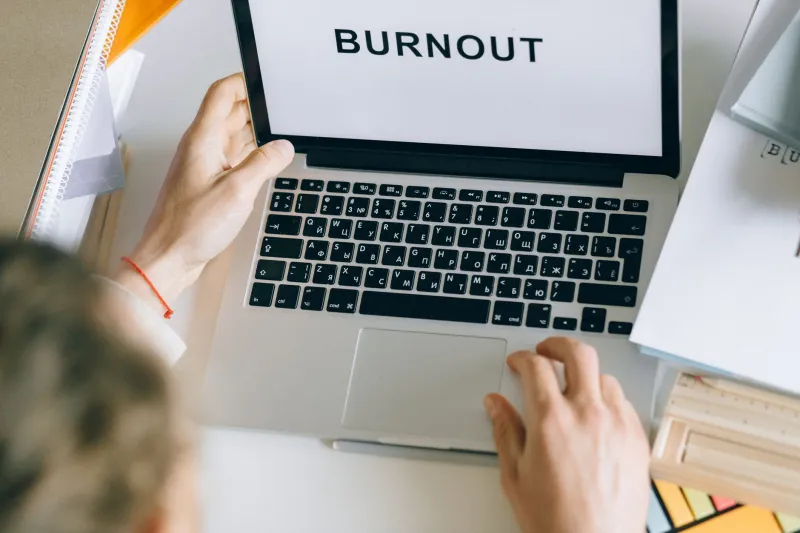
There's a moment that many long-time forum moderators describe almost identically. It usually happens late at night. You're scrolling through a thread that's gone sideways — again — and instead of feeling the familiar pull to step in and help, you feel nothing. Or worse, you feel dread. That's when most moderators know something has shifted.
For communities built on platforms like ConForums, moderators are more than rule enforcers. They're the connective tissue. They set the tone, welcome newcomers, de-escalate conflict, and often spend hours each week doing invisible labor that most members never notice — until it stops happening. And when a burned-out moderator walks away without warning, the effects ripple outward fast.
So why does this keep happening, and what can community leaders actually do about it?
The Hidden Weight of Keeping a Community Civil
Moderation sounds manageable from the outside. You remove bad posts, maybe send a warning message, keep things on track. But the psychological reality is considerably heavier.
Moderators — especially volunteers — are regularly exposed to toxic behavior, harassment, graphic content, and interpersonal conflict. In professional forum communities, this might look like bitter disputes between colleagues, politically charged threads, or members who direct their frustration directly at the mod team when they don't get the outcome they want. Over time, that exposure compounds.
Researchers studying content moderation across social platforms have consistently found elevated rates of anxiety, emotional exhaustion, and what some describe as vicarious trauma among people in moderation roles. And unlike paid trust-and-safety staff at major tech companies, most forum moderators are doing this in their spare time, often for communities they genuinely care about — which makes the eventual disillusionment hit even harder.
Jamila, a moderator who spent nearly six years running a large professional development forum, describes the tipping point clearly: "I started dreading opening the forum app. I'd see a notification and my stomach would drop. I'd given so much to that community, and I just had nothing left. I ghosted. I'm not proud of it, but I didn't know what else to do."
That kind of abrupt exit — with no handoff, no warning — is one of the most common ways burnout damages communities. Members lose continuity. Unanswered reports pile up. Newer moderators inherit chaos without context.
Warning Signs You Shouldn't Ignore
Burnout rarely announces itself. It tends to show up gradually, disguised as other things. Here's what to watch for in your moderation team:
Declining response times. A moderator who used to handle reports within hours is now taking days. This might look like laziness, but it's often avoidance — a coping mechanism when the work has become emotionally costly.
Shorter, terser communication. If a normally engaged mod is suddenly giving one-word replies in your team channels, something's off.
Increased conflict within the mod team itself. Burned-out moderators often become irritable with each other before they become disengaged altogether. Internal friction that seems to come from nowhere is worth investigating.
Complaints about "thankless" work. When moderators start vocalizing that their contributions go unrecognized, that's a signal — not just venting. Recognition gaps are a real driver of attrition.
Sudden resignation or disappearance. The most obvious sign, and unfortunately the most common. By this point, the burnout has already peaked.
Building a Moderation Structure That Actually Holds Up
The communities that tend to retain their mod teams longest share a few common structural features — and most of them aren't complicated. They just require intentional effort from whoever is running the platform.
Distribute the load deliberately. A single moderator handling an active forum is a liability, not an asset. Even if you have a small team, build in explicit coverage expectations so no one person is the last line of defense. On ConForums, this might mean designating category-specific moderators so the cognitive load is segmented rather than shared indiscriminately.
Create a real off-ramp. Moderators need to know they can step back temporarily without it meaning they're abandoning the community. A formal "leave of absence" option — even for volunteers — normalizes breaks and prevents the all-or-nothing thinking that leads to sudden exits.
Invest in onboarding and documentation. One of the most exhausting parts of moderation is re-explaining context and history every time a new team member joins. A well-maintained internal knowledge base — community norms, past decisions, escalation protocols — reduces the burden on senior mods significantly.
Close the feedback loop. Moderators report issues. Do they ever hear what happened? Creating a simple system where moderators receive updates on the reports they've filed builds a sense of agency and impact, which is one of the strongest buffers against burnout.
The Recognition Problem Nobody Wants to Talk About
Here's an uncomfortable truth: most forums do a poor job of acknowledging moderator contributions publicly. Members celebrate each other's posts, hit milestones, and get recognized for expertise — but the people keeping the whole thing functional often operate in near-total anonymity.
This isn't just a morale issue. Recognition is functionally tied to retention. When people feel seen, they stay. When they feel invisible, they eventually stop showing up.
Simple moves can shift this dynamic. A dedicated space where the community can thank the mod team. Periodic spotlights in a community newsletter or pinned post. Even something as low-effort as a private message from the forum owner acknowledging a particularly well-handled situation — these gestures matter more than most platform leaders realize.
Marcus, who moderated a regional small business forum for four years before stepping into an advisory role, puts it plainly: "The year I almost quit, I'd handled probably a thousand issues. Nobody said anything. The year I stayed, the forum owner sent me a handwritten card. Sounds small. It wasn't."
What Platform Leaders Owe Their Mod Teams
If you're running a community on ConForums — whether it's a professional association, an industry group, or a niche interest community — your moderators are not just users with extra permissions. They're co-owners of the community's health, and they deserve to be treated accordingly.
That means regular check-ins, not just when something goes wrong. It means asking directly, "How are you doing with this?" rather than assuming silence means everything's fine. It means building escalation paths so moderators aren't absorbing every difficult situation alone.
And it means accepting that moderator turnover is sometimes inevitable — but that a thoughtful offboarding process, where institutional knowledge is preserved and transitions are handled with care, can prevent a single departure from destabilizing everything.
The communities that last aren't the ones where moderators never burn out. They're the ones where the structure is resilient enough to absorb that reality and keep going.
Your forum is only as strong as the people holding it together. Make sure you're holding them up too.